
The housing question already has a Canadian answer
At Home/Chez Soi remains the largest study of its kind anywhere. It ran here, and it finished thirteen years ago.
The trial
At Home/Chez Soi was a $110 million randomized trial across five Canadian cities, with 2,148 participants, running from 2009 to 2013. It remains the largest study of its kind anywhere.
Participants were given housing first, with no requirement to be sober or in treatment.
At the other end of the result below: 16% of Housing First participants were housed none of the time, compared to 46% of the comparison group.
62
of every 100 Housing First participants were stably housed the entire time.
31
of every 100 people receiving the usual mix of services were.
At Home/Chez Soi final report, Mental Health Commission of Canada
The part that answers the obvious objection
Two-thirds of participants reported substance-related problems when they entered the study.
So the doubling of housing stability happened in a group where most people were actively using. The common argument is that people need to get clean before they can be housed. This trial ran the opposite way and produced better housing outcomes.
We’ll be straight about the limits. Substance use improved about equally in both groups, so nobody should sell Housing First as addiction treatment. Its result is housing: people who were still using stayed stably housed at roughly twice the rate of the alternative.
What a month costs, by where it’s spent
| Measure | Amount |
|---|---|
| Social housing | $613 |
| Emergency shelter bed | $2,100 |
| Long-term care bed | $3,960 |
| Correctional facility bed | $4,300 |
| Hospital bed | $13,500 |
A hospital bed costs 22 times what social housing costs.
Office of the Auditor General of Ontario, 2017
Read that chart carefully, because it is easy to misread. The chart says nothing against shelters: emergency shelter is the cheapest crisis response on the list after housing itself, and it is doing exactly the job it was designed for. The problem is that a system without enough permanent housing pushes people out of the $613 bar and into the $2,100, $4,300 and $13,500 bars. Shelters are where that pressure lands first, which is why they run full.
Toronto’s own 2020 analysis found the city could save $60 million a year by permanently housing 3,000 people who currently have no option other than emergency shelter. The saving comes from fewer people needing a shelter bed in the first place. Shelter funding stays where it is.
For people with high needs, peer-reviewed analysis found Housing First offset about two-thirds of its own cost while producing 151 additional days of stable housing per person.
On clearing encampments
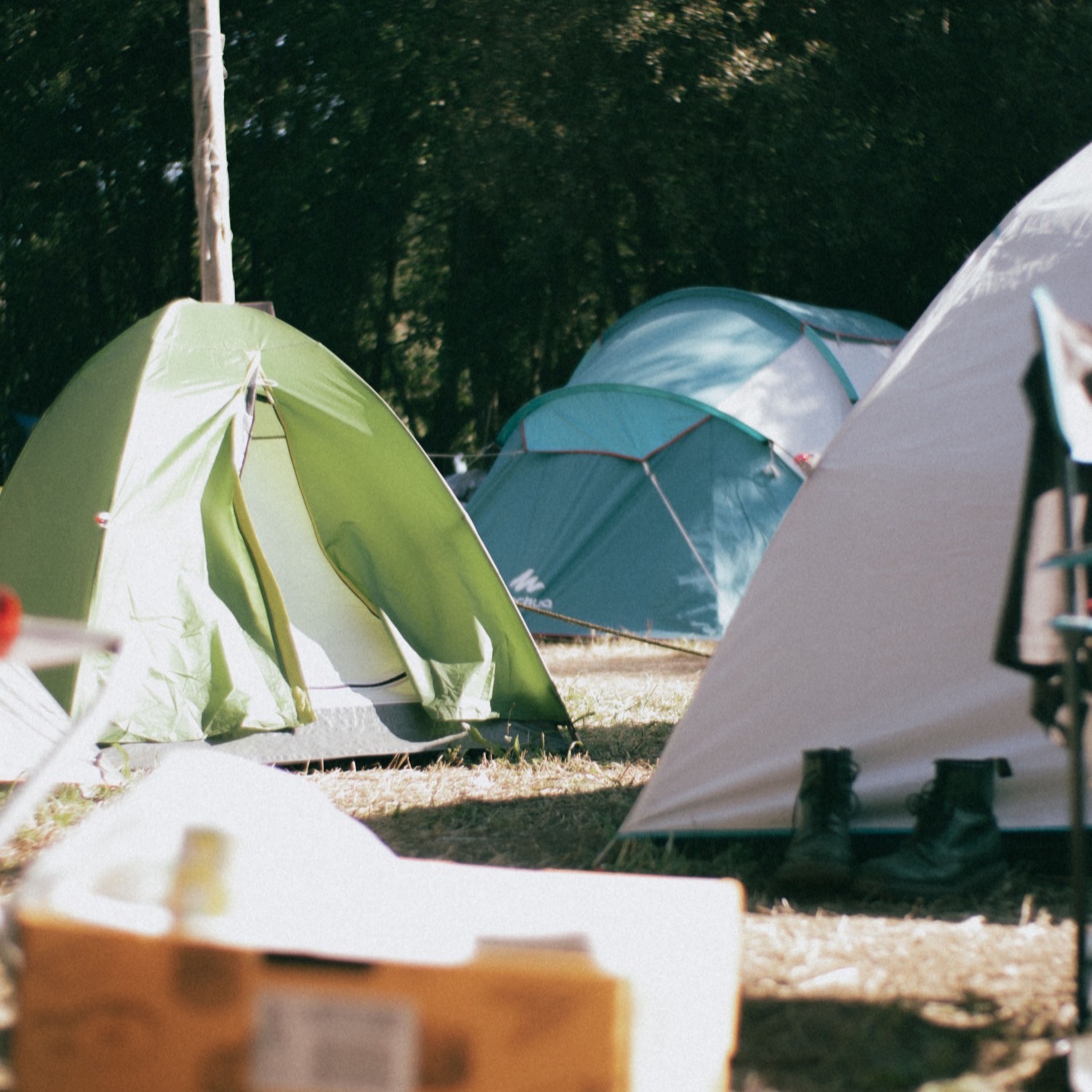
Canada’s Federal Housing Advocate reported in 2024 that “forced encampment evictions make people more unsafe and expose them to a greater risk of harm and violence”, and that removal without adequate alternatives “only causes further disruption and harm”.
Kingston has been here before. In November 2023, the Ontario Superior Court found that applying the city’s parks camping ban to homeless people violated section 7 of the Charter. The City withdrew its appeal.
See the sources
Every figure on this page, with its publisher and a link to the document.