

You’ve seen the tents. Here’s what’s actually going on.
We’re a Kingston group working on housing, water access and drug policy. Every number on this site links to the document it came from, so you can check us.
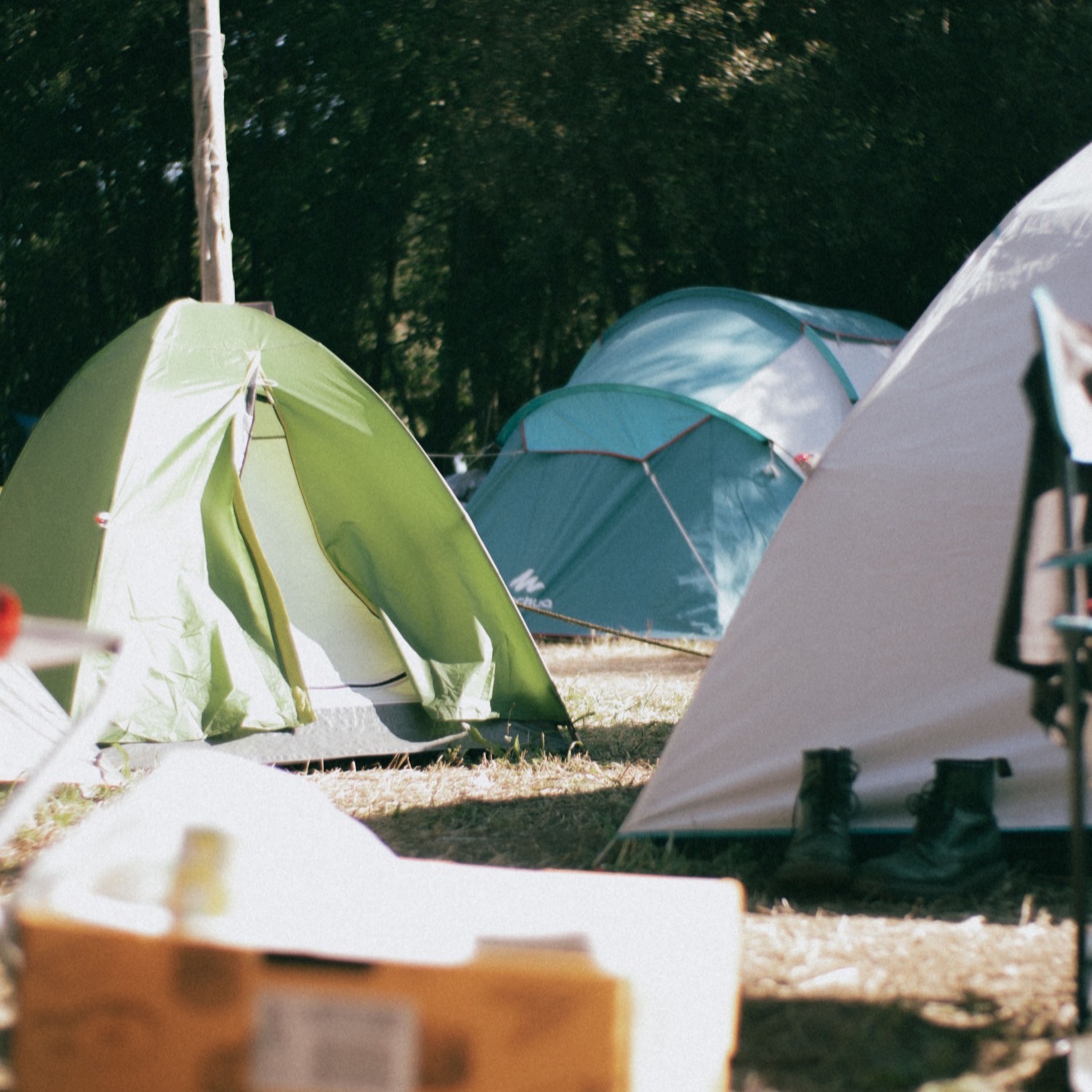
Most of what gets said about this is wrong
One version says these are people who made bad choices. The other says nothing at all, because that feels safer. Both leave you with nothing to say when it comes up at dinner.
So we went and read what the City, the courts and the public health agencies have put on the record. It’s below, with the links.
-
572
People experiencing homelessness in Kingston, as of January 2026.
-
96%
Of people surveyed said not having enough income was their barrier to housing.
-
6.5 years
Average wait for a one-bedroom rent-geared-to-income unit. Some households have waited more than 14.
What the system pays, next to what housing costs

| Measure | Amount |
|---|---|
| Average one-bedroom rent | $1,503 |
| Monthly shelter allowance on ODSP | $611 |
| The gap | $892 short, every month. |
What we work on
-
Water and sanitation
Kingston’s published encampment procedure provides no water, washrooms or garbage collection, and gives people six hours notice to leave. The Ontario Human Rights Commission says a rights-based approach requires clean water and sanitation. Waterloo Region gives people at encampments toilets, showers and laundry access. Kingston’s own procedure offers nothing on that list.
-
Housing that works
A $110 million Canadian trial housed people first and asked no questions about sobriety. 62% were stably housed at the end, against 31% getting the usual services. Two-thirds of participants had substance-related problems when they started.
-
Drug policy grounded in health
Health Canada’s position is that addiction is a treatable medical condition. Kingston’s consumption site has operated since 2018 and closes September 30.




We’re not asking you to take our word for it
Home Ground is a volunteer group in Kingston. We read the council reports, the court rulings and the public health data, and we publish what we find with the links attached. When we can’t verify something, we say so and leave it out.
It’s a slower way to work than posting outrage, and it holds up a lot better in a council chamber.
What’s at stake
Kingston’s supervised consumption site closes September 30. When Toronto closed one in March 2025, discarded needles in the surrounding area rose 550%.